
Under the headline “Vital-Sign Robot Arrives at a Nursing Home — 新營醫院 Reinvents Elder-Care Rounds,” 聯合報 reports that 衛福部新營醫院 (Sinying Hospital, Ministry of Health and Welfare), together with 工研院 (ITRI), has deployed a vital-sign measurement robot in its attached nursing home for a smart-elder-care clinical validation. Local Tainan media picked up the story in parallel — the black robot the nursing team nicknamed “小黑輪” (“Little Black Wheel”) is the vital-sign measurement unit deployed and integrated by Sigma Robotics.
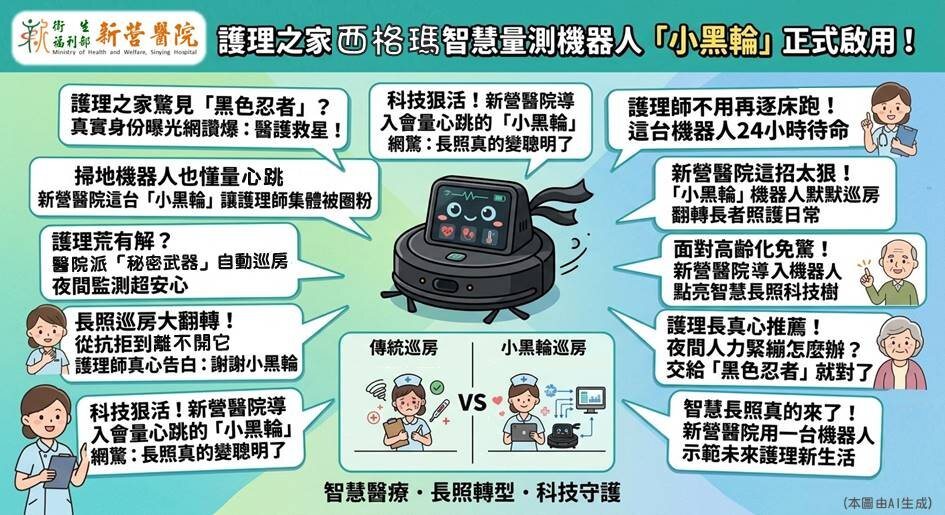
“If you see a robot vacuum gliding past the ward at midnight, don’t rush to report it for repair” — it isn’t there to vacuum the floor, but to take residents’ heart rates. As the reporting describes it, this black chassis that looks a lot like a robot vacuum patrols on a set schedule; once it glides to within a meter of the bedside and holds still, it measures a resident’s breathing and heart rate contact-free — no touch required — and syncs the data straight to the nursing records system, sparing staff the manual note-taking and typing.
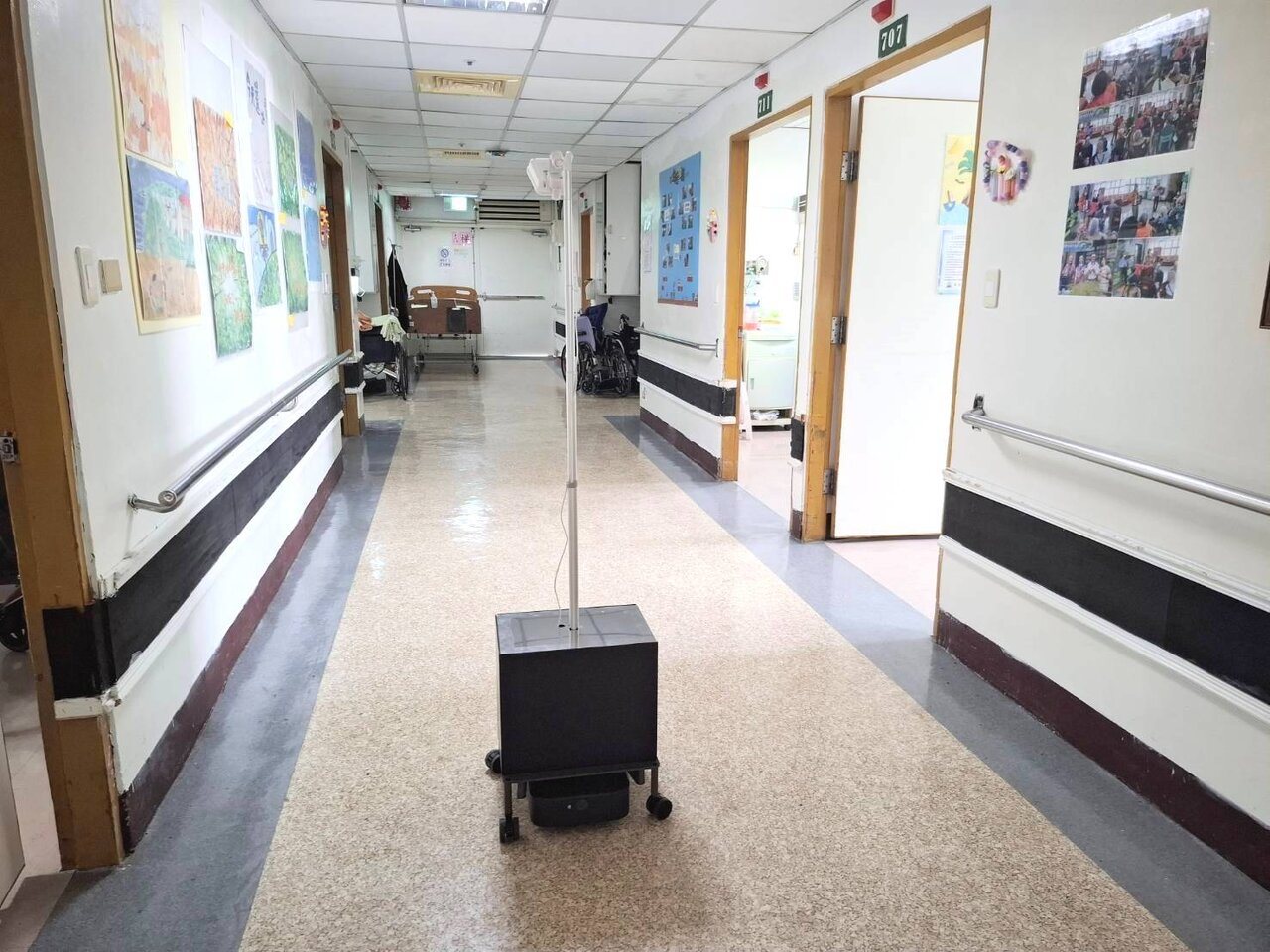
The hospital notes that some nurses were initially wary of a robot stepping into the care workflow, but as it reliably ran round-the-clock patrols and overnight monitoring, it steadily won over the clinical team. Frontline staff said they went “from early doubt to gradually relying on it,” feeling firsthand how the technology eases their workload.
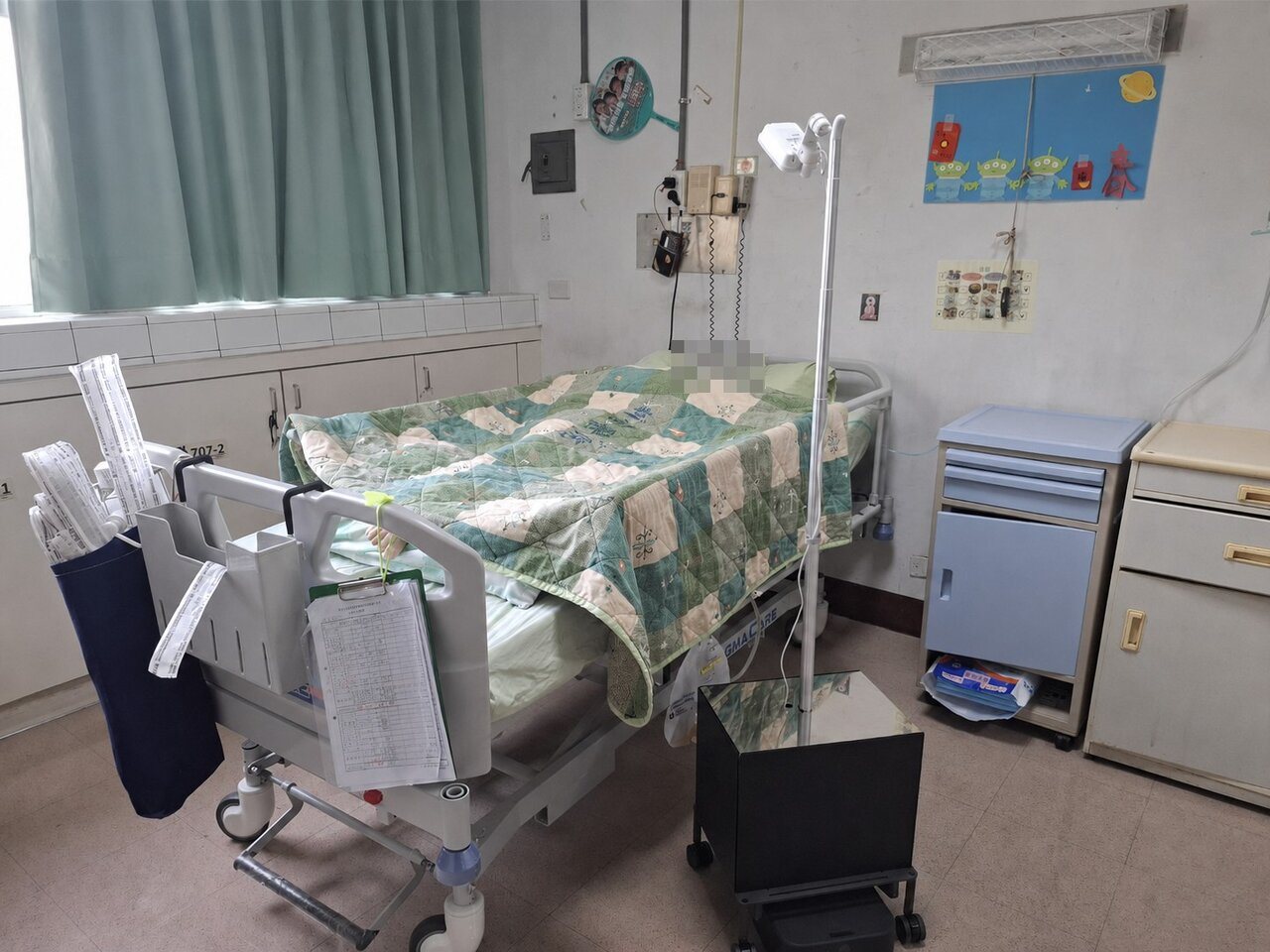
黃麗蘭, head of the nursing department, explains that the robot was brought in to lighten nurses’ repetitive workload and let their expertise return to clinical judgment and care; bed-by-bed vital-sign checks used to be time-consuming and taxing, whereas automated measurement now improves both care efficiency and data completeness. 王雅雯, head nurse, adds that the robot’s around-the-clock operation is especially valuable for maintaining steady monitoring overnight and during short-staffed hours, raising the safety of care.
新營醫院 stresses that the heart of smart care is not to replace people but to let technology take on the repetitive work, freeing nurses to focus on professional judgment and human warmth; it plans to expand to newly built long-term-care facilities and cross-campus integrated systems. This echoes Sigma’s consistent positioning in elder-care settings — the same “contact-free rounds, freed-up labor” product line already replaces roughly 250 minutes of work per day and frees over 1,500 hours of staff time a year at 板橋榮家.
The deployment has also been formalized at the government level. Through the city’s “Smart Robotics Application SIG” matchmaking platform, the Tainan City Economic Development Bureau (台南市政府經濟發展局) paired the hospital with Sigma and designated the 新營醫院 nursing home a smart-robot validation site, deploying the unit in the ward area as a proof-of-concept (POC) focused on overnight patrols, safety rounds, and real-time alerts on abnormal readings. By the city’s accounting, once the robot takes over repetitive measurements such as heart-rate and breathing detection, it saves each nursing shift about 90 minutes — roughly 45 hours a month — with a follow-on rollout planned for the attached residential long-term-care facility in 柳營. The site also folds into Tainan’s “smart-robotics golden triangle” industrial plan, bringing an elder-care setting into national-level robot field validation.
July 2026 update | From nursing home to a “future-ready AI smart-care base”
That 柳營 expansion came into sharper focus in mid-July. 新營醫院 announced that its residential long-term-care facility in 柳營 — a NT$200-million-plus, 100-bed project — is about 80% built and on track to open in 2027. Alongside construction, the hospital has applied for the government’s 深耕計畫 program to make it Taiwan’s first “future-ready AI smart-care base,” with the nursing-assist robot 小黑輪 and smart mattresses as core equipment covering overnight rounds, supply delivery, vital-sign measurement, and data transfer — and AI extending into early dementia screening, analyzing elders’ speech pace, vocabulary richness, and narrative logic. Hospital director 莊毓民 points to the site’s deeper logic: the 柳營 campus sits beside the planned 六甲–柳營 robotics industry cluster, and the hospital intends to tap that local R&D energy so the care floor and the robotics industry grow into each other. The news drew back-to-back coverage from five outlets — 華人健康網, 中時新聞網, 聯合報, 中華日報, and 自由健康網. The 小黑輪 that began as a nursing-home validation is set to step into a far larger care setting when the new facility opens.
Media coverage
- 聯合報 / reporter 謝進盛: Vital-Sign Robot Arrives at a Nursing Home — 新營醫院 Reinvents Elder-Care Rounds (2026-06-30)
- 自由時報 / reporter 楊金城: Even a Robot Vacuum Can Take Your Heart Rate? 新營醫院 Deploys “小黑輪” (2026-06-30)
- 台南報 (Tainan.Info): Facebook post
- Tainan City Economic Development Bureau (台南市政府經濟發展局): Tainan Smart-Robot Validation Site Enters 新營醫院 Nursing Home for Round-the-Clock Care (press release, 2026-07-06)
- 中華日報 / reporter 陳佳伶: Robots Enter the Hospital — Tainan’s Smart Care Levels Up (2026-07-06)
Follow-up coverage — the 柳營 AI smart-care base
- 華人健康網: AI Robots Reach the Elder-Care Frontline — 新營醫院 Plans Taiwan’s First “Future-Ready AI Smart-Care Base” (2026-07-15)
- 中時新聞網 / reporter 侯寀薇: AI Robots Move into Long-Term Care — 新營醫院’s AI Smart-Care Base Opens Next Year (2026-07-15)
- 聯合報 / reporter 謝進盛: Linking the Robotics Park — 新營醫院 Builds Taiwan’s First AI Smart-Care Base (2026-07-15)
- 中華日報 / reporter 翁聖權: 新營醫院’s AI Smart-Care Base Hits 80% Construction, Opening Next Year (2026-07-16)
- 自由健康網 / reporter 楊金城: 柳營 Residential Long-Term-Care Facility Opens Next Year as a Smart Elder-Care Model Site (2026-07-17)