
The case-study section of 經濟部中小及新創企業署’s 新創採購 (Startup Procurement) site has published an in-depth feature titled 〈當科技走進床邊:板橋榮家讓機器接手例行工作,把照護時間還給人〉 (“When Tech Reaches the Bedside: 板橋榮家 Hands Routine Work to Machines and Gives Care Time Back to People”). It traces how 板橋榮譽國民之家, Sigma Robotics and 緯創醫學科技 took a service-robot field validation from pilot to daily practice. The story opens on the night shift, when staffing is tightest — and follows technology into a complex care environment, taking on routine work so professionals can spend their time with residents.
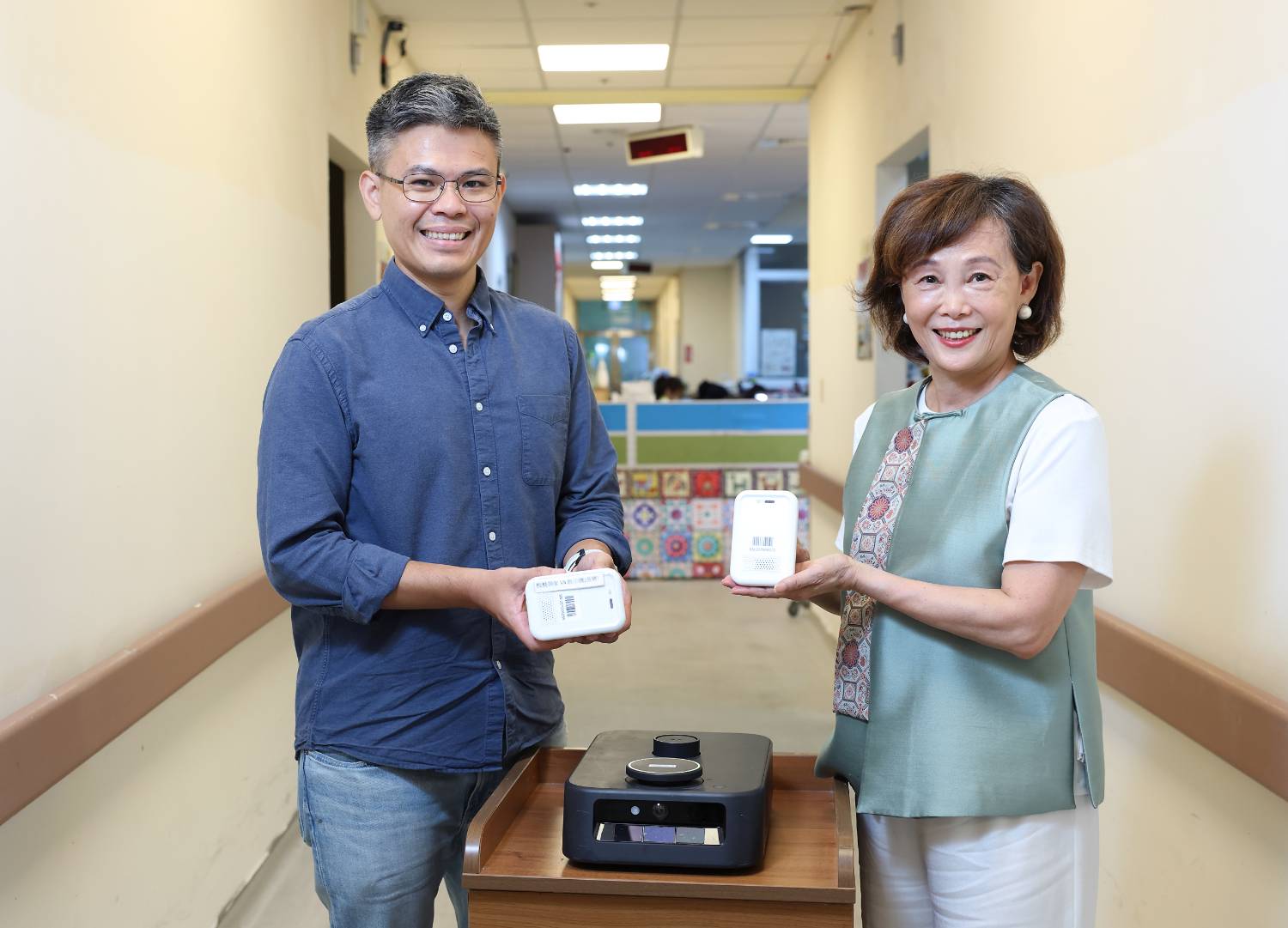
Features Mean Nothing If You Can’t Reach the Bed
In residential long-term care, late night is when staffing is stretched thinnest. To check on residents, frontline staff walk bed to bed, pull back curtains and lean in close. It adds up to hours of work — and it easily wakes residents from hard-won sleep.
板橋榮家 had tried larger, fully featured machines before. On the care floor, they hit reality. A care facility isn’t a tidy, lights-out factory: beds, wheelchairs, curtains and personal furniture shift every day. And the bedside, where care actually happens, is exactly where big machines can’t go.
Director 陳桂美 puts it plainly: long-term care doesn’t need the flashiest, most feature-packed machine. It needs technology that fits into existing workflows and reaches the places the front line needs it most. That pain point pushed Sigma to shrink the robot to about 30cm wide — small enough to weave between wheelchairs and bed legs, and to break through the physical limits of care’s “last meter.” As Sigma Robotics founder Snaken says in the feature: “A humanoid robot may never make it to the bedside. But the bedside is where a care setting needs help the most.”
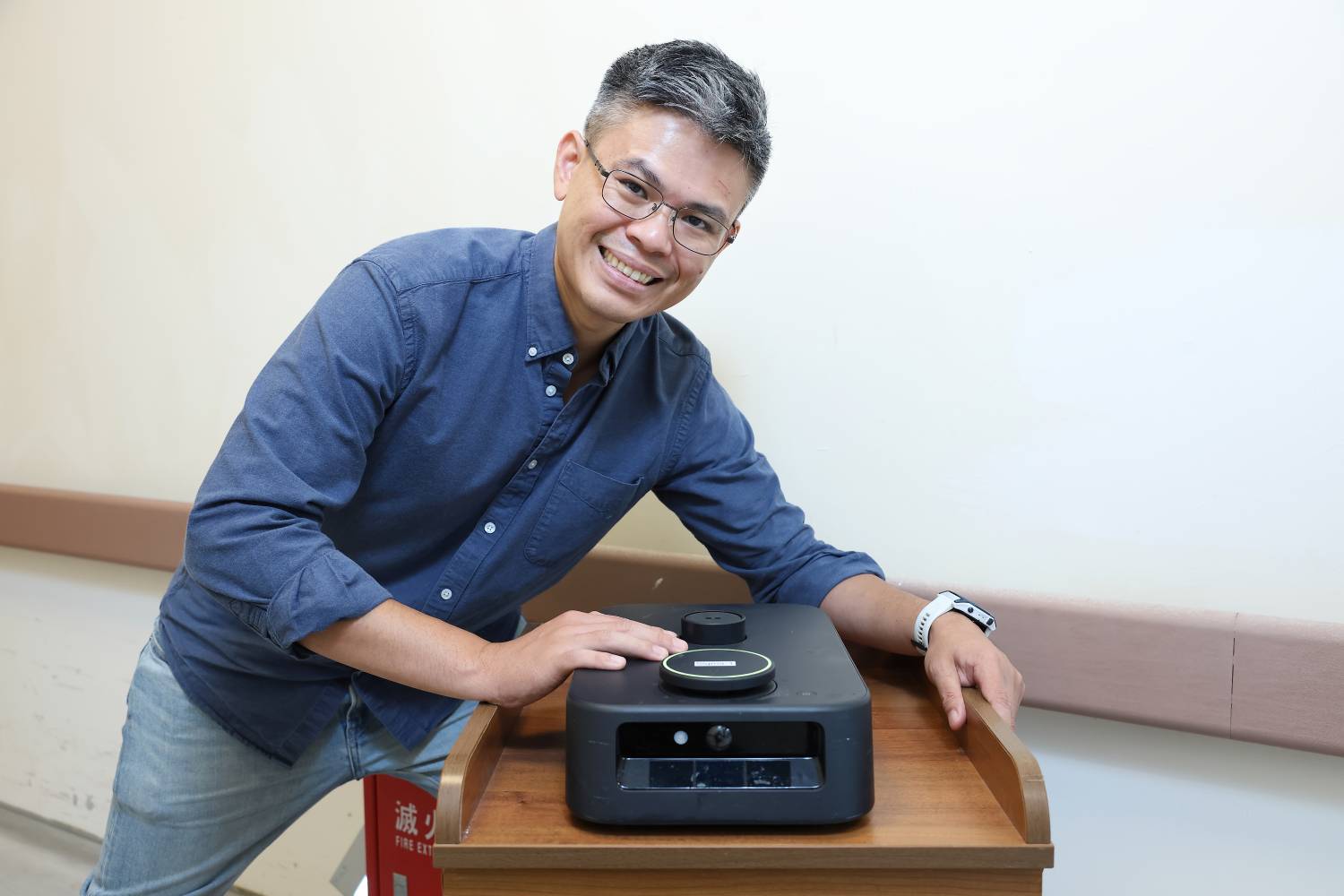
緯創醫學’s “Eyes” Meet Sigma’s “Legs”
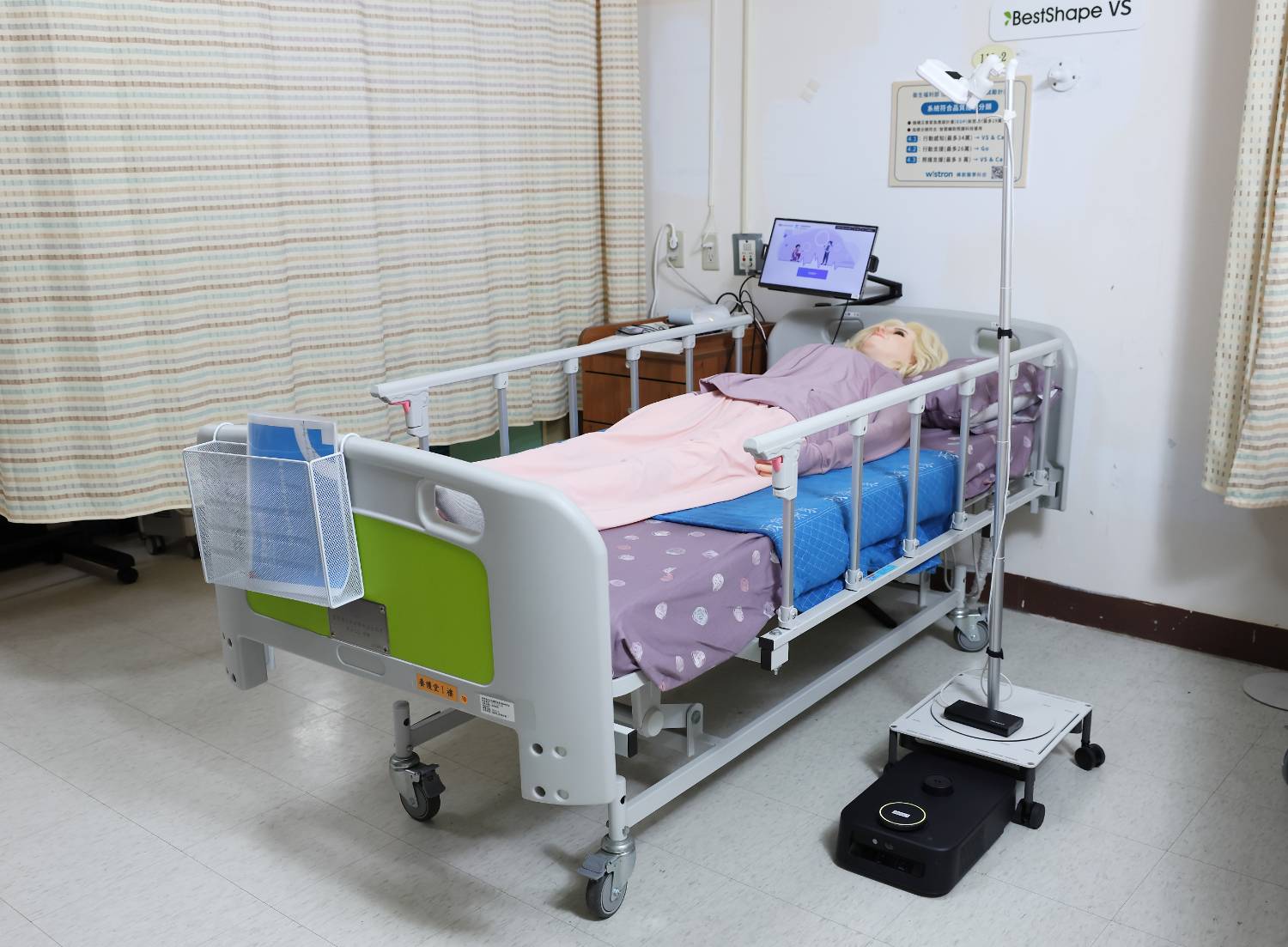
Before Sigma arrived, 板橋榮家 was already using 緯創醫學科技’s millimeter-wave contactless vital-sign monitoring. No patches, no wearables — it reads breathing and heart rate from the body’s smallest movements. But the devices were mostly fixed in place, making it hard to cover every bed.
When 緯創醫學’s “eyes” met Sigma’s gap-slipping “legs,” the two teams set out to integrate hardware and software. 黃郁菂, sales manager at 緯創醫學科技, recalls that both sides initially doubted the pairing would work. Testing proved otherwise: as long as Sigma could guide the robot precisely to the bedside and hold it steady, the mmWave device reliably picked up a resident’s breathing and heart rate.
“No Reading” Is an Answer Too
The most time-consuming part of integration wasn’t the communications link. It was translating frontline care experience into rules a machine can act on. Engineering first defined success as “signal acquired.” Once on site, staff raised a question: what if the robot reaches the bed and gets no reading?
To an engineer, no reading might mean signal blockage or a bad angle. To a caregiver, it could well mean a resident has fallen, left the bed, or something has gone wrong. With the care team’s input, “no reading” went from a system error to a critical care alert. The robot learned when to retry, when to circle back later — and, when something is wrong, to hand the task straight back to a professional.
The results: the robot completes overnight screening of 40 residents in 2 hours, automates 85% of vital-sign measurements, and saves the facility about 300 staff-minutes a day. Snaken stresses this shouldn’t be reduced to “one less person.” No one on a care floor does only measurements. What technology really saves is the fragmented time scattered across every staff member — time given back to human care.
Day and Night: From Night-Patrol Radar to Daytime Logistics
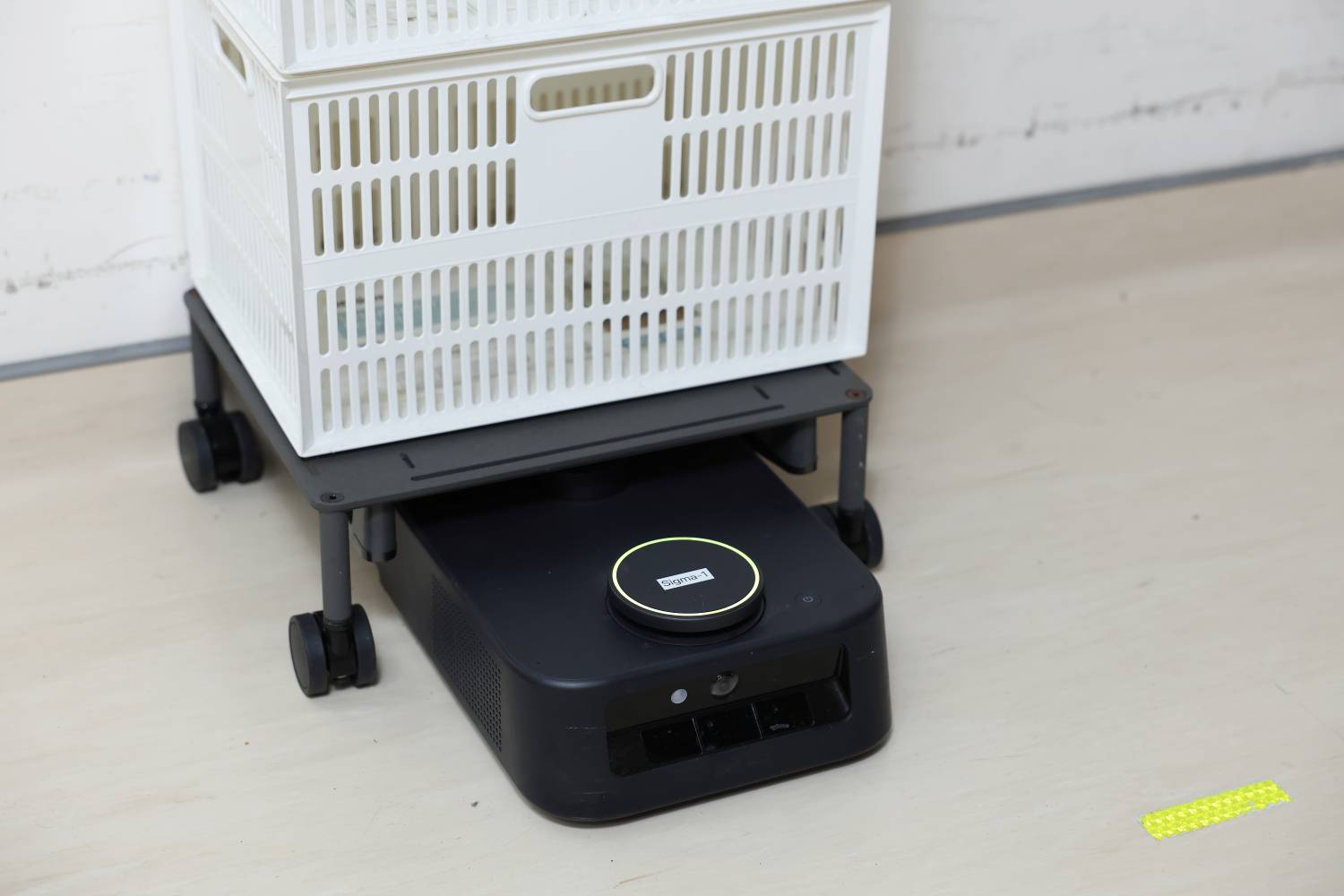
Beyond night rounds, the robot takes on a new role by day. The vital-sign mast comes off, a storage shelf goes on, and it shuttles documents and supplies between the front desk and nursing stations. Sigma also added a physical one-touch call button, so nurses don’t need to fiddle with a phone app or interface. One press, and the robot is on its way.
Director 陳桂美 likens the facility’s validation environment to a “fault-tolerant sandbox.” New technology is never flawless when it first enters clinical use. What matters most is an institution willing to open its doors — letting problems surface in real situations, so startups and frontline staff can fix them fast, together.
That trust has even become part of residents’ daily lives. The feature describes a resident who habitually gets up in the middle of the night. Over time, the resident figured out the robot’s schedule — and at round time, would head back to bed and sit waiting. Technology stopped being a cold device and became a reassuring presence for residents and the care team alike.

Made possible through 經濟部中小及新創企業署, this validation project not only delivered standout results in 板橋榮家’s 2025 announcement, but also won the 經濟部 新創採購獎 at the end of 2025, and went on to draw an in-depth feature from 公視台語台. Sigma Robotics will keep building for eldercare and healthcare — putting autonomous mobile technology to work, reliably, where it’s needed most.
Source: 當科技走進床邊:板橋榮家讓機器接手例行工作,把照護時間還給人 (經濟部中小及新創企業署 新創採購 · Case Studies, ROC year 114 / 2025)